If you’ve noticed dark patches, uneven skin tone, or small brown spots appearing on your face over the years, you’re not alone. Hyperpigmentation and sunspots are among the most common skin concerns we see at our clinic, and Calgary’s unique climate plays a bigger role in this than most people realize.
In this guide, we’ll explain what causes hyperpigmentation, why Calgary’s weather makes it worse, and what treatment options actually work.
What Is Hyperpigmentation?
Hyperpigmentation is a general term for patches of skin that become darker than the surrounding area. It happens when your skin produces excess melanin, the pigment responsible for skin color. There are a few common types:
- Sunspots (solar lentigines): Flat, brown spots that appear on sun-exposed areas like the face, hands, and shoulders.
- Melasma: Larger, patchy areas of discoloration, often triggered by hormones and made worse by sun exposure.
- Post-inflammatory hyperpigmentation: Dark marks left behind after acne, a cut, or skin irritation heals.
While none of these are usually dangerous, they can affect confidence, and many people want a smoother, more even complexion.
Why Calgary’s Climate Makes Hyperpigmentation Worse
It might seem surprising, given how cold Calgary gets, but our local climate is actually a major contributor to pigmentation issues. Here’s why:
High UV Index, Even in Winter
Calgary sits at a high altitude with over 300 days of sunshine a year. Thinner air at altitude means less UV filtering, so your skin absorbs more UV radiation than it would at sea level, even on a cold day.
Snow Reflection
Snow reflects up to 80% of UV rays, meaning your skin can get hit twice, once from the sun and once from the reflection off the ground during Calgary’s long winters.
Dry Air and a Damaged Skin Barrier
Calgary’s dry climate (especially with Chinook winds) can weaken your skin’s natural barrier. A compromised barrier makes skin more reactive to sun exposure and slower to repair pigmentation once it forms.
Sunscreen Gets Skipped in Winter
Many people only apply sunscreen in summer, leaving skin unprotected during Calgary’s sunny fall, winter, and spring months, when UV exposure is still significant.
The result: Calgary residents often experience sunspots and pigmentation that build up gradually over years, sometimes without realizing how much of it comes from year-round sun exposure rather than just summer.
Treatment Options That Actually Work
The right treatment depends on the type, depth, and cause of your pigmentation. A proper skin consultation is the best starting point, but here’s an overview of the most effective options:
1. Medical-Grade Skincare
For mild to moderate pigmentation, targeted skincare ingredients (like vitamin C, retinoids, and brightening agents) can gradually fade discoloration and prevent new spots from forming. Medical-grade lines tend to be more effective than over-the-counter products because of higher active ingredient concentrations.
2. Chemical Peels
Chemical peels use a controlled exfoliation process to remove damaged surface skin cells, encouraging fresher, more even-toned skin underneath. They’re effective for both sunspots and post-acne marks, with minimal downtime depending on the peel strength.
3. IPL / Light-Based Treatments
Light-based treatments specifically target pigment in the skin, breaking it down so the body can naturally clear it away. This is one of the most effective options for stubborn sunspots that haven’t responded to skincare alone.
4. Consistent Sun Protection
No treatment works long-term without daily SPF. Since UV exposure is a year-round issue in Calgary, broad-spectrum sunscreen should be part of your daily routine, not just a summer habit.
Prevention Tips for Calgary Residents
- Wear SPF 30+ daily, even in winter and on cloudy days
- Reapply sunscreen if you’re outdoors for extended periods, especially with snow on the ground
- Wear sunglasses and a wide-brimmed hat during peak UV hours
- Avoid picking at acne or irritated skin, which can lead to post-inflammatory marks
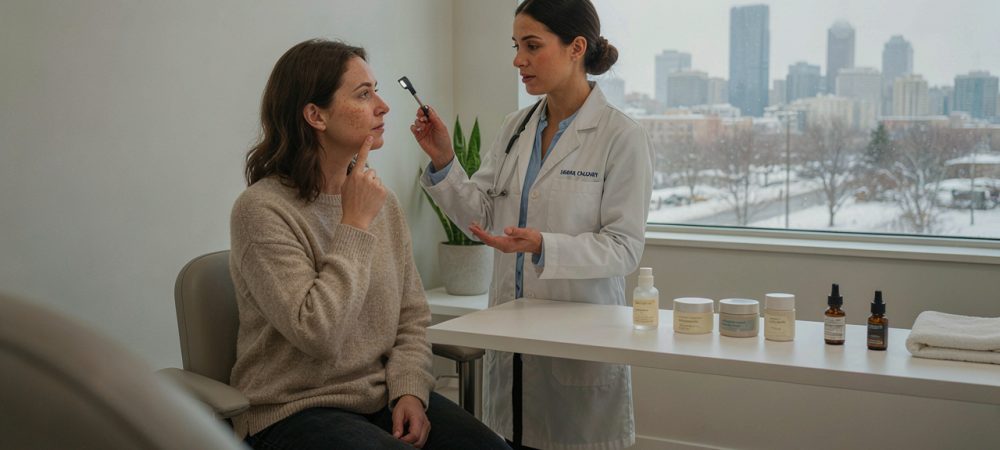
- Book a professional skin assessment before starting any treatment, since not all pigmentation responds to the same approach
Getting a Personalized Treatment Plan
Because pigmentation can have several underlying causes, from sun damage to hormones to skin injury, the most effective approach usually combines more than one treatment method tailored to your skin type and goals.
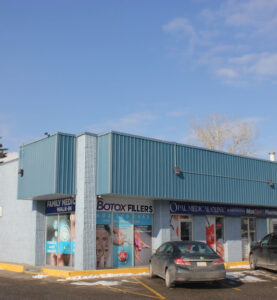
At Opal Medical Clinic & Aesthetics, our team, including Dr. Faiza Upal, Dr. Housam Bada, and Dr. Zhelal Alsaid takes a physician-supervised approach to skin health, meaning your treatment plan is guided by real medical assessment rather than guesswork. As a trusted Family Medical Aesthetics Clinic Calgary, we believe skin concerns deserve the same careful, evidence-based attention as any other health concern.
Whether you’re dealing with early sunspots or long-standing pigmentation, a consultation can help identify what’s actually causing it and which treatment will give you the best results.
Frequently Asked Questions
Can hyperpigmentation go away on its own?
Some mild post-inflammatory marks fade over time, but sunspots and melasma typically need active treatment and consistent sun protection to improve.
Does Calgary’s cold weather protect skin from the sun?
No. UV exposure isn’t dependent on temperature. Calgary’s altitude and snow reflection can actually increase UV exposure even in cold months.
How soon can I see results from treatment?
This varies by treatment type and pigmentation depth. Skincare typically shows gradual improvement over weeks to months, while procedures like chemical peels or light-based treatments may show visible results sooner, though multiple sessions are often needed for lasting results.
Is treatment safe for all skin tones?
Not every treatment is suitable for every skin tone or type. This is why a proper consultation is important before starting any pigmentation treatment.
If you’re in Calgary and dealing with sunspots or uneven skin tone, our Family Medical Clinic Calgary team can help you understand what’s causing it and build a treatment plan suited to your skin. Book a consultation to get started.