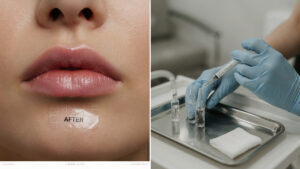
If you’re considering a neuromodulator treatment to soften fine lines and wrinkles, you’ve likely come across two familiar names: Botox and Dysport. Both are popular, well-studied treatments, but they’re not identical. Understanding the differences can help you make a more informed decision alongside your provider. Here’s what Calgary patients should know before choosing between the two.
What Are Botox and Dysport?
Both Botox and Dysport are neuromodulators (sometimes referred to as “neurotoxins”). They work by temporarily relaxing targeted facial muscles, which softens the appearance of wrinkles caused by repetitive muscle movement, like frown lines, crow’s feet, and forehead lines.
While they share the same core ingredient, botulinum toxin type A, they’re formulated differently, resulting in meaningful differences in how they perform.
Key Differences Between Botox and Dysport
1. Onset of Results
- Dysport tends to show visible results slightly faster, often within 2 to 3 days
- Botox typically takes a bit longer, usually around 3 to 7 days to show full effect
If you’re preparing for an event and want quicker results, this difference may factor into your decision.
2. Diffusion and Spread
- Dysport has smaller molecules, which allows it to spread slightly more within the treated area
- Botox tends to stay more concentrated at the injection site
This difference can influence which treatment is better suited for certain areas. For example, Dysport’s spread can work well for larger areas like the forehead, while Botox’s precision may be preferred for smaller, more targeted areas.
3. Dosing Units
Botox and Dysport are measured in different units, meaning the numerical dose isn’t directly comparable between the two. A qualified injector will calculate the appropriate dose based on the specific product being used, not a simple unit-for-unit conversion.
4. Duration of Results
Both treatments generally last a similar amount of time, typically 3 to 4 months, though individual results can vary based on metabolism, muscle strength, and treatment area.
5. Formulation Differences
Dysport contains different accessory proteins compared to Botox, which is part of why some patients respond slightly differently to one product versus the other. This is why some patients find one option works better for their specific facial anatomy, even though both target the same outcome.
Which Is Better for Wrinkle Treatment?
Neither treatment is universally “better”, the right choice depends on several individual factors:
- Treatment area: Larger areas may benefit from Dysport’s natural spread, while smaller, precise areas may suit Botox’s concentrated effect
- Speed of results: If you want faster visible results, Dysport may show effects a few days sooner
- Previous experience: If you’ve used one product before with good results, sticking with it may make sense, though some patients also try switching if they feel one isn’t giving them their desired outcome
- Provider recommendation: An experienced injector can assess your facial muscles and recommend which product will likely give you the most natural, effective result
What to Expect During Treatment
Regardless of which product is used, the treatment process is similar:
- A consultation to assess your facial anatomy and discuss your goals
- Precise injections into targeted facial muscles using a very fine needle
- Minimal downtime, with most patients returning to normal activities immediately
- Mild redness or slight swelling at injection sites, typically resolving within hours
Safety Considerations
Both Botox and Dysport are FDA and Health Canada-approved treatments with decades of clinical use and a strong safety record when administered by a trained, experienced provider. Choosing a provider with proper medical training and a thorough understanding of facial anatomy significantly reduces the risk of uneven results or complications.
Why Provider Expertise Matters More Than the Product Choice
While the Botox vs. Dysport debate gets a lot of attention, the skill of your injector often matters more than which specific product is used. Precise injection technique, accurate dosing, and a thorough understanding of facial muscle structure are what ultimately determine whether your results look natural and balanced.
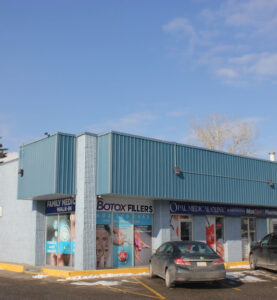
At Opal Medical Clinic & Aesthetics, our physician-led team, Dr. Faiza Upal, Dr. Housam Bada, and Dr. Zhelal Alsaid offers both Botox and Dysport treatments, allowing us to recommend the product best suited to your individual facial anatomy and goals. As a trusted Family Medical Aesthetics Clinic Calgary, we bring the same medical precision from our Family Medicine Calgary practice into every aesthetic treatment we provide.
Frequently Asked Questions
Is Dysport cheaper than Botox?
Pricing can vary between products and providers, and since dosing units differ, direct cost comparisons aren’t always straightforward. It’s best to discuss pricing during your consultation.
Can I switch between Botox and Dysport?
Yes, many patients try both over time to see which they prefer, though your provider can offer guidance based on your previous results and treatment goals.
Which one lasts longer, Botox or Dysport?
Both generally last around 3 to 4 months, though individual results can vary based on factors like metabolism and treatment area.
Is one safer than the other?
Both are well-studied, approved treatments with strong safety records when administered by a qualified provider. Neither is considered inherently safer than the other.
How do I know which one is right for me?
A consultation with an experienced injector is the best way to determine which product suits your facial anatomy, treatment area, and aesthetic goals.
Not sure whether Botox or Dysport is right for you? Our physician-led team can help assess your goals and recommend the best option during a personalized consultation. Book a consultation to get started.